Application of special gases in analytical instruments
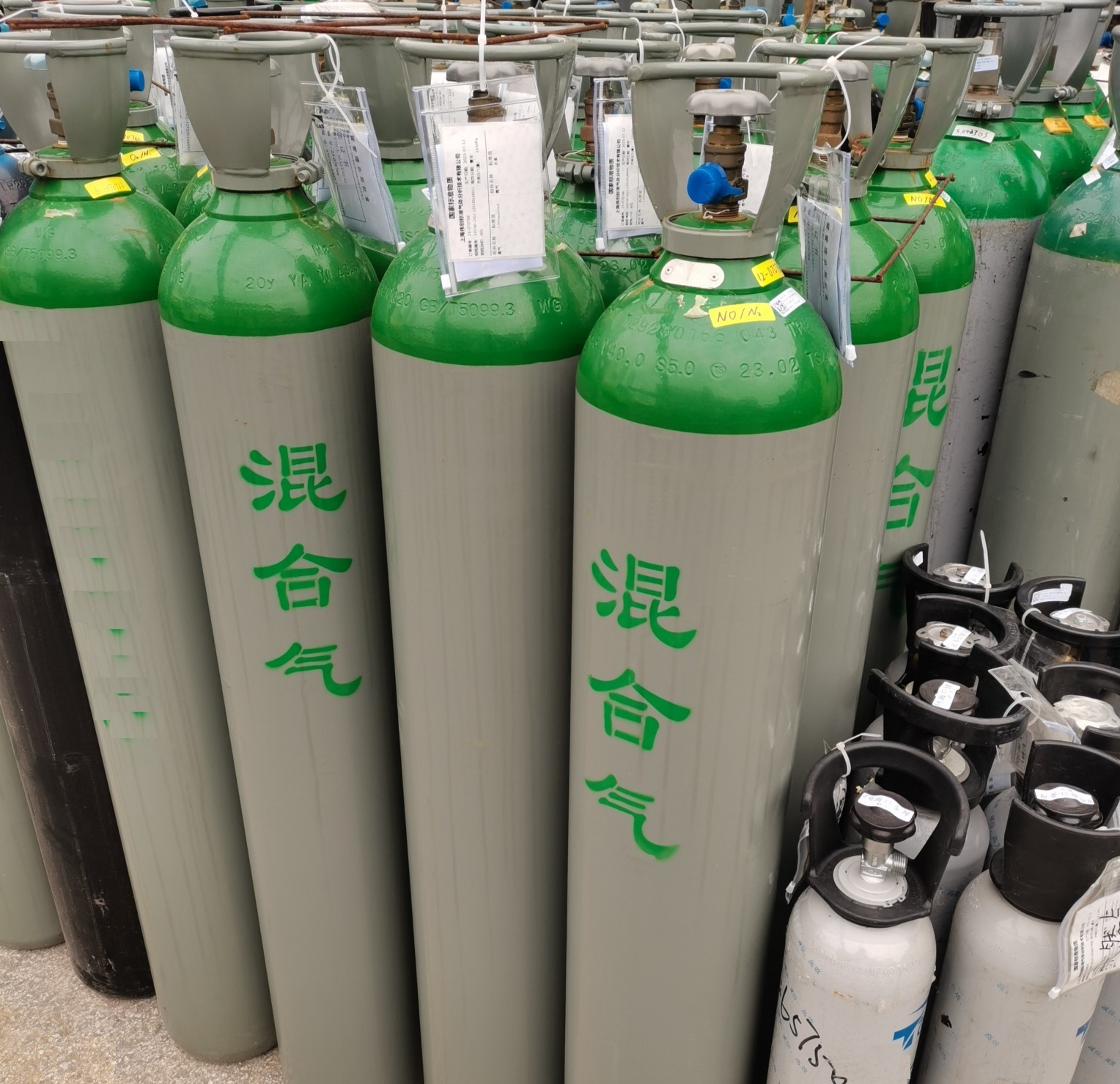
Special gases play a crucial role in analytical instruments, primarily serving as carrier gases, auxiliary gases, or detection objects to meet the requirements of high-precision analysis. Below are several core application directions for explanation.
Carrier gas and detection in gas chromatography analysis: In gas chromatography, special gases such as helium, hydrogen, or nitrogen are often used as carrier gases to push the sample through the chromatography column for separation. For example, a helium ionization detector (DID) is a high-performance detector that uses high-energy ultraviolet radiation generated by helium discharge to ionize impurity molecules, thereby achieving trace analysis with a detection limit of up to 10- ⁹. It is widely used for the detection of trace impurities in high-purity gases.
Gas applications in mass spectrometers and spectrometers: In mass spectrometers (such as GC-MS), helium or argon gas is often used as collision gas or carrier gas to ensure the stability of ion transport; In inductively coupled plasma mass spectrometry (ICP-MS), argon gas is the core gas that generates plasma. The high purity of these gases (usually ≥ 99.999%) can reduce background interference and improve detection sensitivity.
Safety monitoring and environmental analysis: Special gas detectors (such as electrochemical, infrared, or photoionization PID principles) are used to monitor combustible gases (such as methane, hydrogen) or toxic gases (such as hydrogen sulfide, carbon monoxide) in real time, ensuring safety in fields such as petrochemicals, semiconductor processing, and environmental monitoring. For example, PID technology can detect extremely low concentrations of volatile organic compounds (VOCs).
The auxiliary function of other analytical instruments: In atomic absorption spectroscopy (AAS) or total organic carbon analyzer (TOC), nitrogen or argon is used as a protective gas or carrier gas to prevent sample oxidation or moisture interference. Hydrogen is commonly used as fuel gas in flame ionization detectors (FIDs) to support efficient detection of organic compounds.
These applications emphasize the importance of specialty gases in ensuring the accuracy, sensitivity, and safety of analytical instruments, and the specific selection needs to be optimized based on the detection target, instrument type, and purity requirements.
Air Separation Plant/Nitrous oxide plant/CO2 recovery plant/Hydrogen plant/Acetylene Plant/Mobile Tank/ISO Tank Container/Cryogenic Storage Tank/LPG Storage Tank/Cryogenic Pump/Micro Bulk Tank /Cryogenic Semi Trailer Transport Tanker/LPG Semi Trailer Tanker/Dewar Flask/Vaporizer/Cylinders/Dry ice making machine/Calcium Carbide


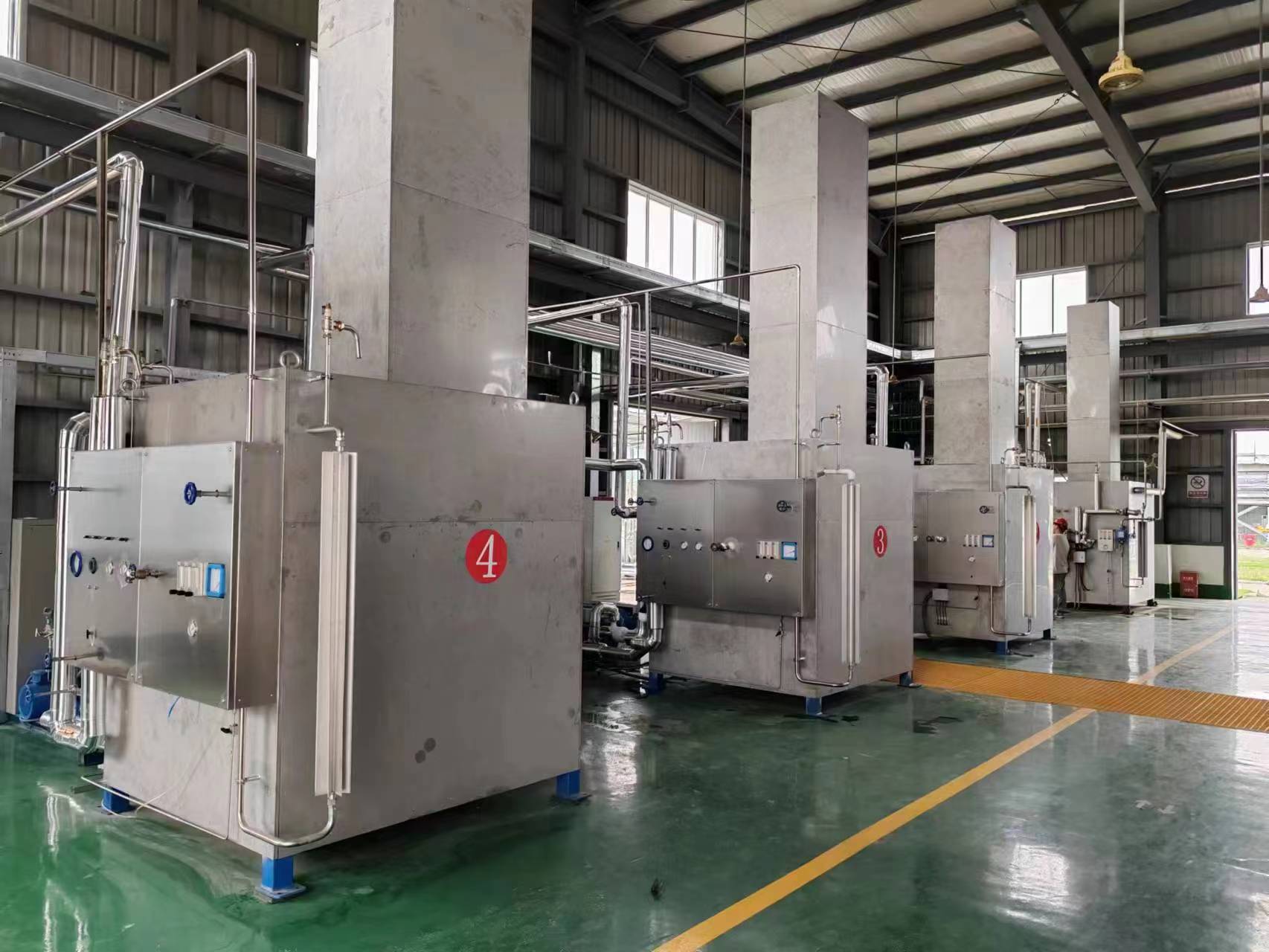
 H2 plant Hypower Project wind power to H2 2000NM3 per hour (1).jpg)
.jpg)