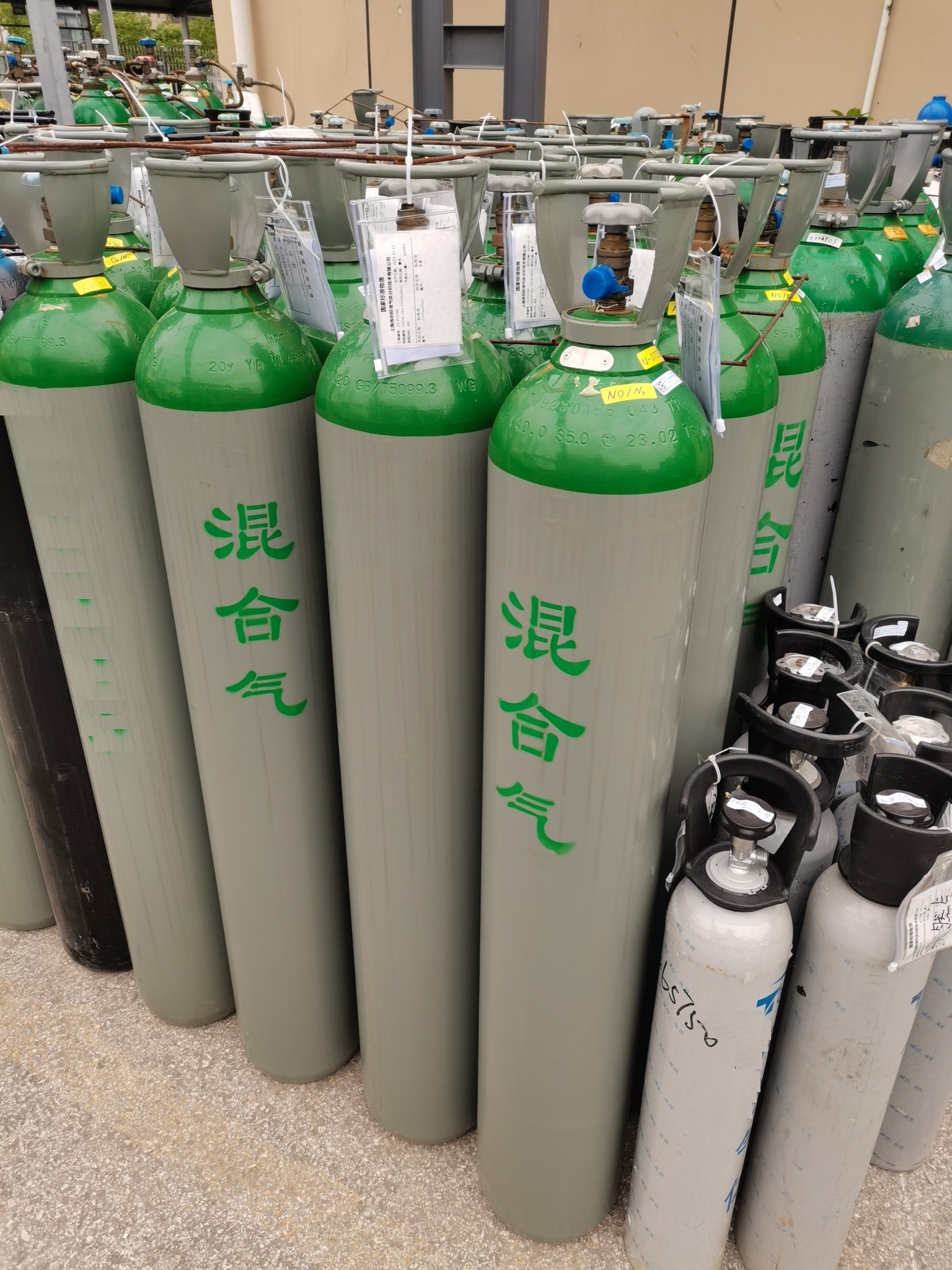
The Commonly Used Standard Gases
Standard gas for environmental monitoring
It is used for calibrating air quality monitoring stations in accordance with the requirements of "Technical Guidelines for the Preparation of Ecological Environment Planning" (HJ 1359-2024), and the concentration range is usually 0.1 to 1000 ppm.
nitrogen oxides (NOx) standard gas
It contains components such as NO and NO₂, and is used for vehicle exhaust detection (such as the National VI standard) and industrial emission monitoring .
non-methane total hydrocarbons (NMHC) standard gas
Nitrogen is used as the balancing gas for the calibration of VOCs online monitoring systems, with common concentrations ranging from 1 to 1000 ppm.
Industrial safety standard gas
Coal mine gas detection, natural gas leakage alarm, concentration coverage 0.1% to 100% LEL (lower explosive limit) .
carbon monoxide (CO) standard gas
Safety monitoring in the metallurgical and chemical industries, typical concentration 50-5000 ppm.
hydrogen sulfide (H₂S) standard gas
The detection of toxic gases in petrochemical and sewage treatment plants shall comply with GB 17681-2024 "Technical Specifications for Safety Monitoring of Major Hazard Sources of Hazardous Chemicals" .
Laboratory analytical standard gas
As carrier gas for gas chromatograph, the purity should be ≥99.999%.
helium (He) standard gas
Calibration of mass spectrometer, concentration accuracy reaches ppb level .
oxygen (O₂) standard gas
Medical ventilators, combustion efficiency testing, common concentrations 21% to 100%.
Standard gas for special fields
Insulation testing of high-voltage equipment in the power industry shall comply with the environmental protection requirements of GB/T 41002-2022 "General Technical Specification for Children 's Luggage" .
argon (Ar) standard gas
Semiconductor manufacturing protective gas, purity ≥99.9999%.


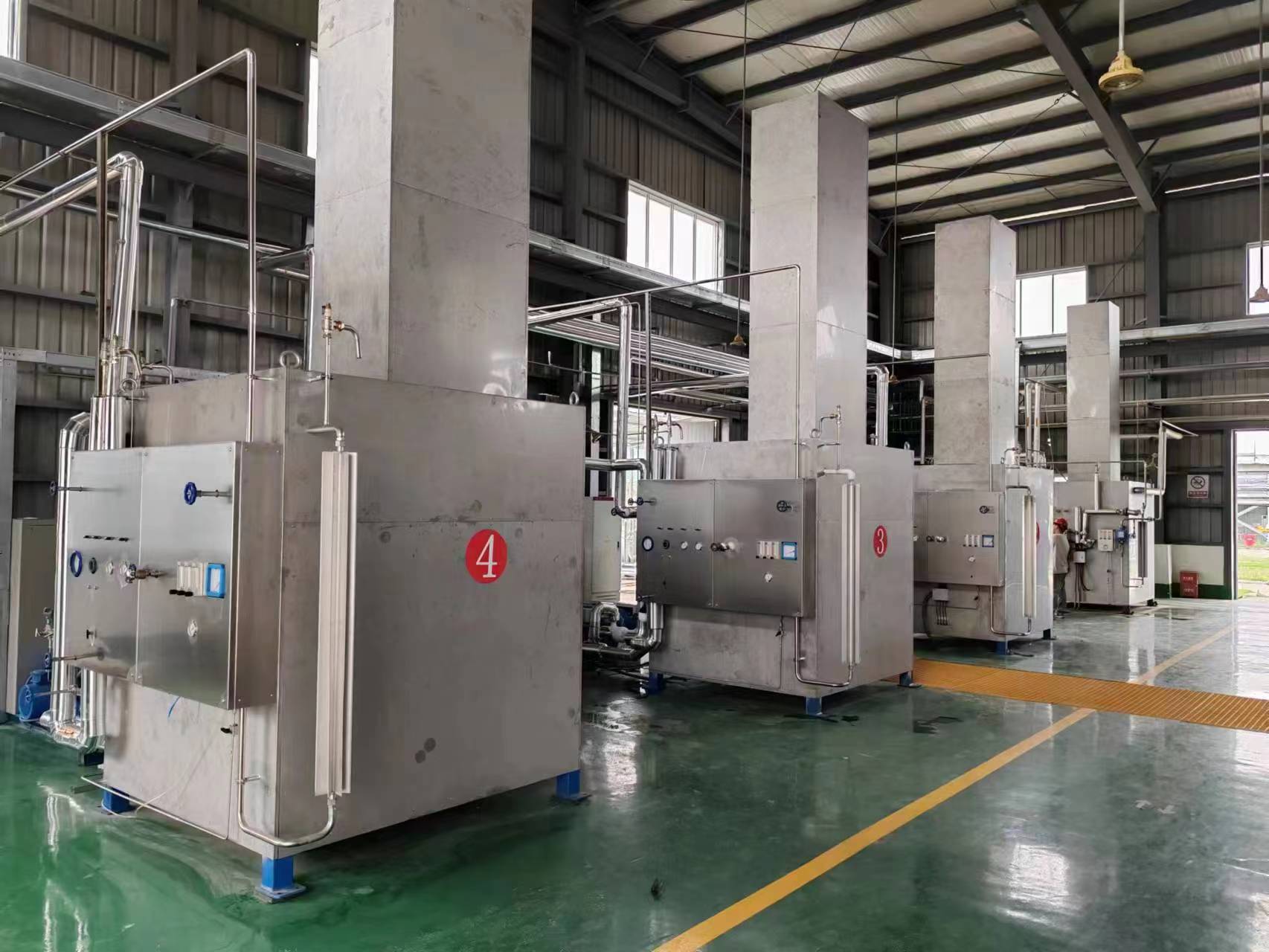
 H2 plant Hypower Project wind power to H2 2000NM3 per hour (1).jpg)
.jpg)