The Hydrogen Cylinder Explosion Accident & Its Implications for Laboratory Safety Management
In May 2023, a devastating hydrogen cylinder explosion occurred at an industrial gas filling station in the city. Workers were filling a transport truck with hydrogen when the accident struck in an instant. The blast wave was incredibly powerful, causing significant casualties and shattering the glass of surrounding buildings, leaving the entire scene in utter devastation.
At that instant, a sudden static spark erupted with a dazzling flash, accompanied by a deafening bang, and the high-pressure gas cylinder instantly ignited. The gas contained within the cylinder contained an extremely hazardous composition: 55% hydrogen, 38% oxygen, and 7% carbon dioxide. Ignited by the fire, the hydrogen and oxygen reacted violently, ultimately triggering a devastating explosion. Experts estimate that the energy released by the explosion was astonishingly equivalent to 70 grams of TNT, or the power of two military hand grenades.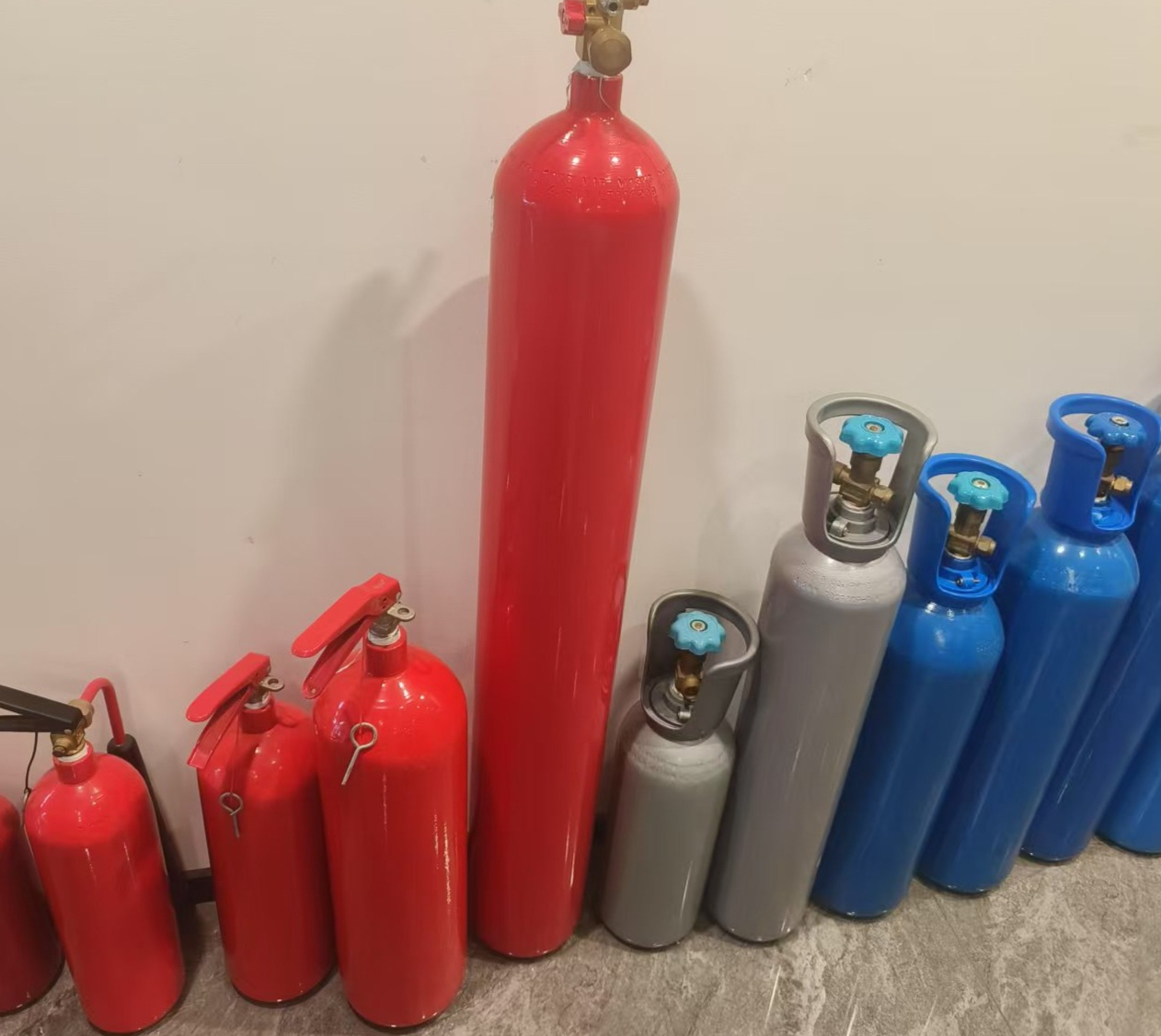
In laboratory environments, gas cylinders often pose a potential threat to the safety of experimenters and laboratory property. By analyzing accident frequency, we can estimate the probability of gas cylinder accidents. Among all types of accidents, explosions are the most likely, accounting for over 80%. Leakages are closely followed at approximately 10%, while tipping accidents are relatively rare, at less than 5%. Furthermore, regarding the consequences, nearly 70% of gas cylinder accidents result in serious consequences, with fewer than three deaths or fewer than ten serious injuries. Approximately 17% of accidents can trigger a chain reaction, resulting in significant casualties and property damage. Notably, less than 15% of accidents result in property damage alone.
Cylinder explosions pose a significant threat to life and property safety, and therefore, the safety of cylinder use must be a top priority. To reduce the risk of cylinder explosions, various measures can be implemented, such as improving cylinder quality, strengthening safety management during transportation, and standardizing cylinder usage.
In laboratory cylinder management, carefully selecting qualified suppliers and conducting rigorous inspections ensures the safe use of cylinders and gases. First, carefully selecting qualified suppliers ensures the quality of purchased gases from the source. Next, a comprehensive color code inspection is conducted. Based on the type of test gas purchased, key information such as the technical inspection label, stamp, logo, paint color, and lettering on the cylinder's exterior is carefully verified to ensure accuracy and prevent potential accidents caused by misuse.
Users should regularly inspect the cylinder's exterior condition upon receipt and during use. Regular inspections ensure compliance with safety standards and clear labeling to prevent misuse. First, the cylinder's shoulder must be stamped with detailed markings as specified in the "Technical Supervision Regulations for Gas Cylinder Safety" (TSGR0006-2014). These markings include the cylinder model, serial number, product standard number, filling medium, nominal volume, operating pressure, net weight, maximum fill volume, manufacturing date, and manufacturer's name.
Regarding the cylinder's exterior and paint finish, the cylinder's color must comply with the "Gas Cylinder Color Marking" (GB7144-1999). Furthermore, warning labels must meet the standards of the "Gas Cylinder Warning Label" (GB16804-2011). Specifically, oxygen cylinders are typically sky blue, hydrogen cylinders are dark green, nitrogen cylinders are black, argon cylinders are gray, carbon dioxide cylinders are silver, and helium cylinders are also gray. If the paint on the cylinder surface is peeling or the markings are blurred, it must be repainted immediately according to regulations; otherwise, the filling company reserves the right to refuse filling.
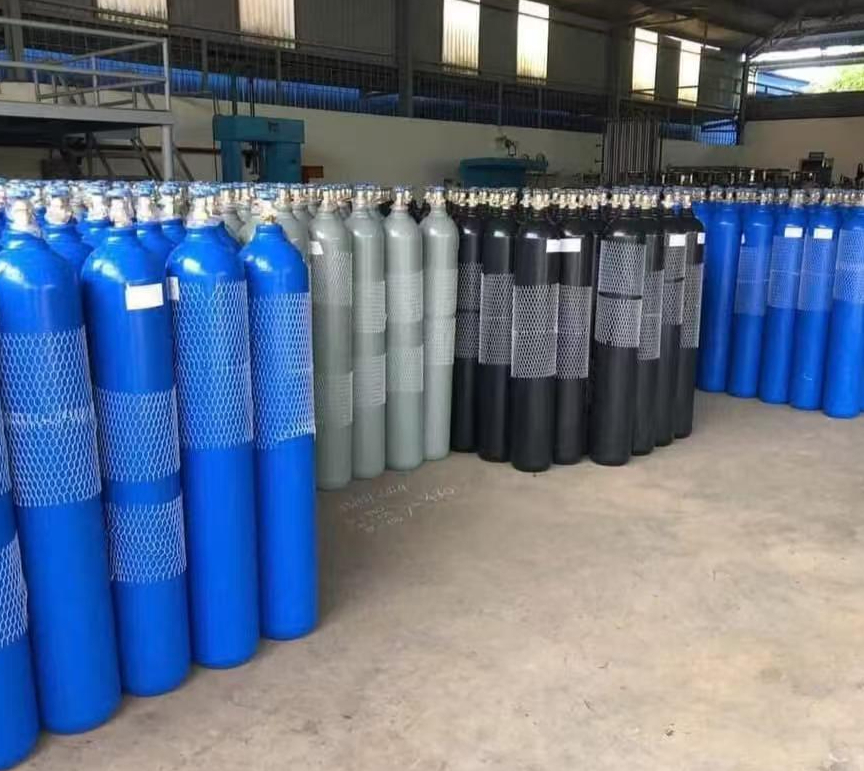
When transporting and storing cylinders, shock-absorbing washers shall be installed and safety caps tightened to effectively protect the on-off valve, prevent accidental rotation, and reduce the possibility of collision. It is recommended to use a special cart to transport the gas cylinders, or to lift them horizontally or rotate them vertically by hand. However, it is strictly forbidden to move the on-off valve by hand. During transportation, the cylinders must be properly secured to prevent rolling or collision. When loading and unloading, they must be lifted and placed gently. Throwing, sliding, or other methods that may cause impact are strictly prohibited. Empty and full cylinders must be separated and clearly labeled for safety.


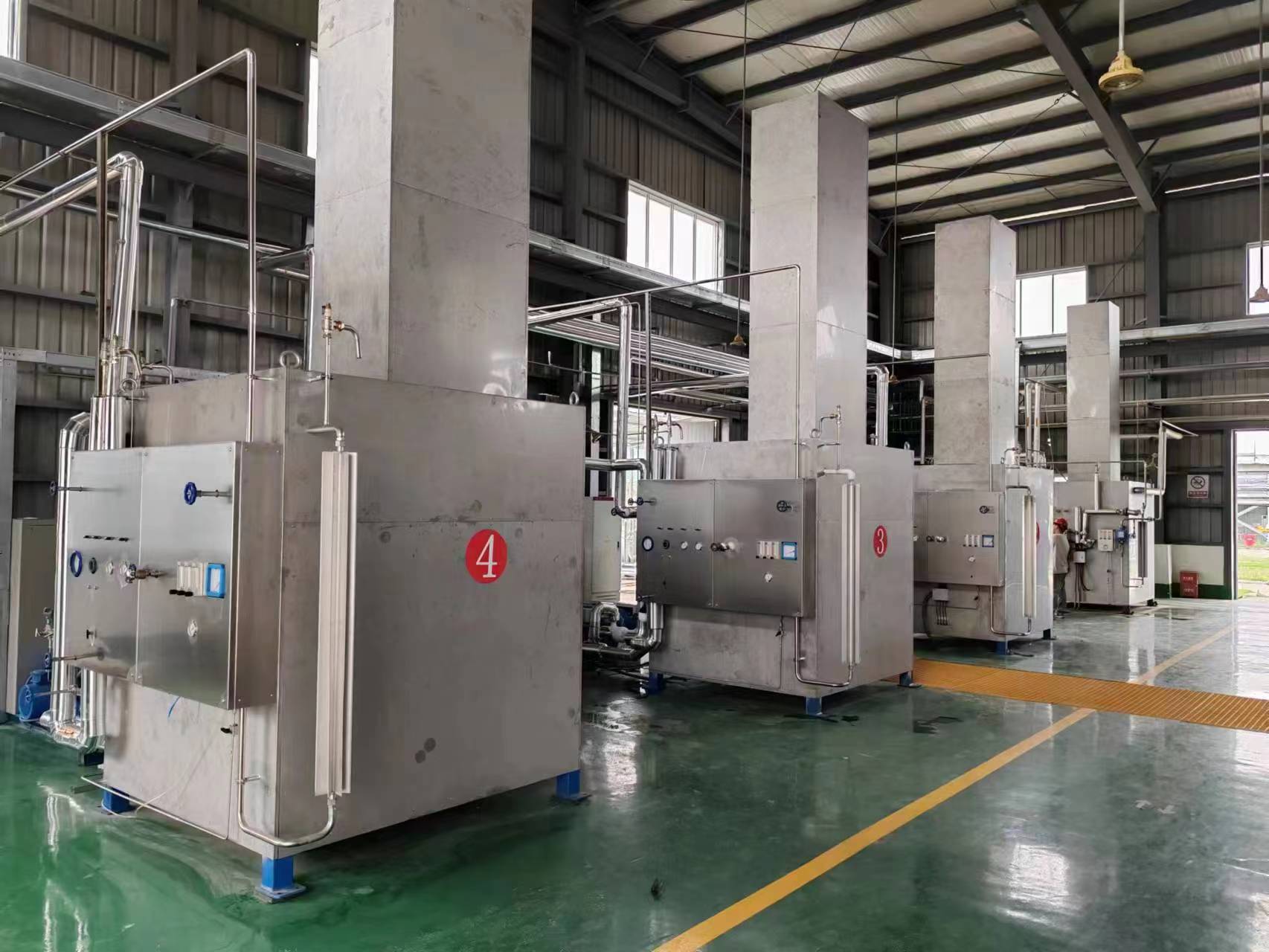
 H2 plant Hypower Project wind power to H2 2000NM3 per hour (1).jpg)
.jpg)